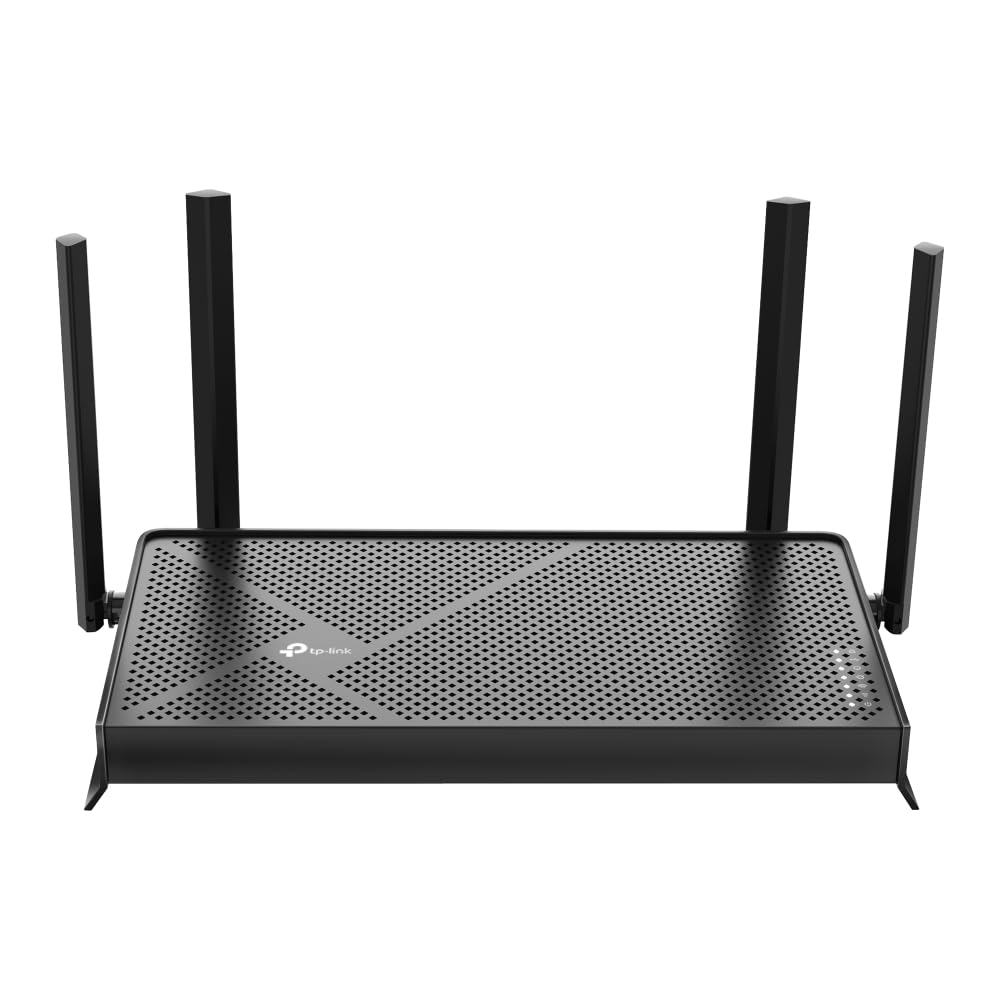
The TP-Link Archer BE230 brings Wi-Fi 7 and two 2.5 Gbps ports to a dual-band router designed for everyday streaming, gaming, and connected-home use.
This tp link be3600 review looks at its practical strengths, key limits, and the households most likely to benefit.
Archer BE230 Review Summary
The quick verdict
1,000+ ratings
Read Amazon ReviewsTP-Link Archer BE230
A good fit for households seeking Wi-Fi 7, multi-gig wired connections, and mesh expansion in a router rated for up to 2,000 square feet.
- Dual-band Wi-Fi 7 with stated maximum speeds of up to 2,882 Mbps on 5 GHz and 688 Mbps on 2.4 GHz; 6 GHz is not supported.
- Wi-Fi 7 technologies include Multi-Link Operation, Multi-RUs, and 4K-QAM.
- One 2.5 Gbps WAN/LAN port, one 2.5 Gbps LAN port, and three 1 Gbps LAN ports.
- Coverage rated for up to 2,000 square feet and up to 60 devices, with four internal antennas and beamforming.

Pros
- Brings Wi-Fi 7 features to a dual-band home router.
- Two 2.5 Gbps ports support multi-gig wired connections as well as faster internet service.
Consider before buying
- No 6 GHz band, which may matter to buyers choosing Wi-Fi 7 specifically for access to that band.
- The stated coverage and device capacity are upper limits, not guarantees; home layout and network conditions affect results.
Read the full review summary
The Archer BE230 combines Wi-Fi 7 features with a useful wired port mix: one 2.5 Gbps WAN/LAN port, one 2.5 Gbps LAN port, and three 1 Gbps LAN ports.
Its stated wireless speeds reach up to 2,882 Mbps on 5 GHz and 688 Mbps on 2.4 GHz, while coverage is rated for up to 2,000 square feet and 60 devices.
Those are maximum figures, and actual results depend on distance, walls, and network conditions.
It suits homes that want a current Wi-Fi generation, a multi-gig internet connection, and several wired devices without stepping up to a tri-band design.
EasyMesh support offers a route to extend coverage with compatible equipment, while the Tether app handles setup and firmware updates.
Because this is dual-band Wi-Fi 7, it does not include a 6 GHz band; consider how that fits your devices and future plans.
The buying factors
Archer BE230 Scorecard
Editorial scores reflect listed features and buyer fit; they are not laboratory measurements or customer ratings.
Wi-Fi 7 feature set
Includes Multi-Link Operation, Multi-RUs, and 4K-QAM, alongside backward compatibility with earlier Wi-Fi generations.
Wired connectivity
Two 2.5 Gbps ports and three 1 Gbps LAN ports give it a flexible layout for multi-gig internet and wired devices.
Coverage flexibility
The stated coverage is up to 2,000 square feet, with beamforming and EasyMesh support providing options for distributing coverage.
Device capacity
A stated maximum of 60 connected devices is suitable for many homes, though device activity and layout affect real-world demands.
Setup and management
The free Tether app supports setup, management, and firmware updates, with voice control compatibility also listed.
Band options
Wi-Fi 7 features are useful, but a dual-band configuration leaves out 6 GHz for buyers who specifically want that band.
Key Features and Specifications of Archer BE230
- Dual-band Wi-Fi 7 with stated maximum speeds of up to 2,882 Mbps on 5 GHz and 688 Mbps on 2.4 GHz; 6 GHz is not supported.
- Wi-Fi 7 technologies include Multi-Link Operation, Multi-RUs, and 4K-QAM.
- One 2.5 Gbps WAN/LAN port, one 2.5 Gbps LAN port, and three 1 Gbps LAN ports.
- Coverage rated for up to 2,000 square feet and up to 60 devices, with four internal antennas and beamforming.
- EasyMesh compatibility supports expansion with compatible routers and range extenders.
- The Tether app supports setup, network management, and firmware updates; Amazon Alexa and Google Assistant voice control are supported.
Pros and Cons of Archer BE230
Pros
- Brings Wi-Fi 7 features to a dual-band home router.
- Two 2.5 Gbps ports support multi-gig wired connections as well as faster internet service.
- Three additional gigabit LAN ports provide wired connections for common home devices.
- EasyMesh offers an expansion path for compatible equipment.
- App-based setup and management can make routine configuration more approachable.
Consider before buying
- No 6 GHz band, which may matter to buyers choosing Wi-Fi 7 specifically for access to that band.
- The stated coverage and device capacity are upper limits, not guarantees; home layout and network conditions affect results.
- A separate modem is required for most internet providers.
Who Should Buy Archer BE230?
Good fit
Consider the Archer BE230 if you want Wi-Fi 7 features and have a clear use for its two 2.5 Gbps ports—for example, multi-gig internet service plus a wired device that can use a faster LAN connection.
The three additional gigabit ports also help connect stationary equipment such as a television, console, or desktop without relying on Wi-Fi.
It is a sensible option for a household whose needs fit a dual-band network and the stated capacity of up to 60 devices.
The app-based setup, voice control compatibility, and EasyMesh expansion give you several ways to manage or extend the network as your setup changes.
Before buying, check the modem requirement for your provider and whether your important devices can use the Wi-Fi or wired features you care about.
For a large or obstructed home, consider where the router will sit and whether you may want compatible mesh equipment.
Who should skip it
Look elsewhere if having a 6 GHz band is a firm requirement. This model is dual-band, so Wi-Fi 7 support does not add that band.
It may be a poor match if your internet service and wired devices are all limited to gigabit connections and you do not expect to use the extra 2.5 Gbps ports; compare the features you need against simpler options before choosing.
How the Archer BE230 fits a modern home network
Wi-Fi 7 in a dual-band design
The Archer BE230 combines Wi-Fi 7 technologies such as Multi-Link Operation, Multi-RUs, and 4K-QAM with 5 GHz and 2.4 GHz bands. The listed maximum wireless rates describe the router’s capabilities, not the speed every device will receive.
Distance, walls, client hardware, and network conditions all influence results, so place it where your most-used devices can connect reliably.
Making use of the 2.5 Gbps ports
Its port arrangement is a practical distinction: one 2.5 Gbps port can serve as WAN or LAN, a second 2.5 Gbps port is LAN, and three more LAN ports operate at 1 Gbps.
This gives a household room to connect multi-gig service and a faster wired device, while retaining ports for ordinary gigabit equipment. Check your modem, service plan, and connected devices to confirm where the faster links would be useful.
Coverage and possible expansion
The stated coverage reaches up to 2,000 square feet, with four internal antennas and beamforming intended to direct Wi-Fi toward devices.
Those figures provide a planning reference rather than a promise for every floor plan: walls, placement, and interference can change usable coverage.
EasyMesh compatibility means compatible routers and range extenders can be part of a broader network if one router does not suit the whole home.
Setup, management, and home use
The Tether app supports initial setup, network management, and firmware updates. The product also lists Alexa and Google Assistant voice control, plus HomeShield features for network protection, parental controls, and IoT security.
These options add convenience for households that want app-based administration and connected-home tools; buyers should check which controls and features match their needs.
Alternatives to Archer BE230
Computer Routers alternative
5,000+ ratings
Read Amazon ReviewsTP-Link Archer AXE75
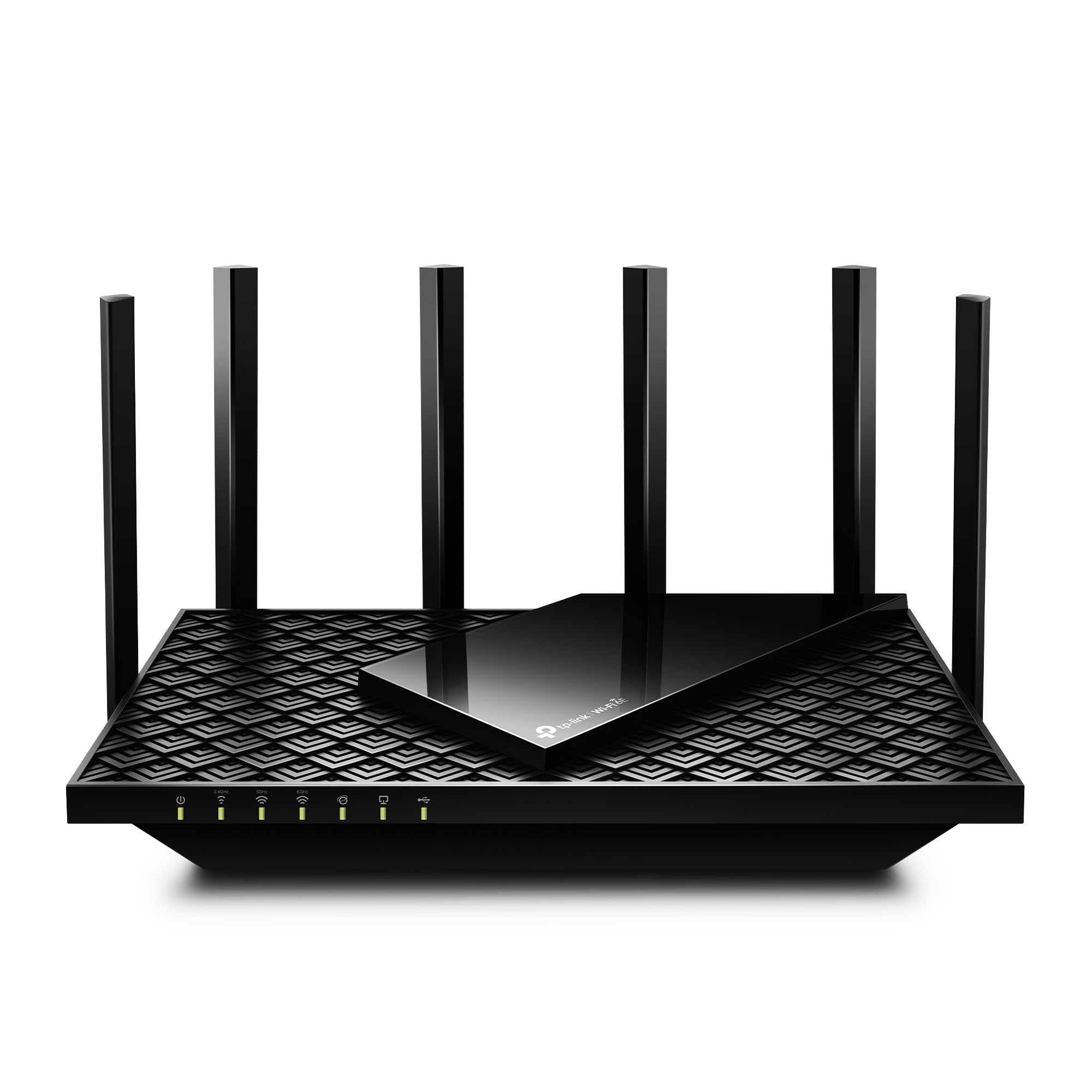
Choose the Archer BE230 if Wi-Fi 7 and two 2.5 Gbps ports fit your priorities. The Archer AXE75 is worth considering if you specifically want a 6 GHz band and tri-band Wi-Fi 6E instead.
- The Archer AXE75 is a tri-band Wi-Fi 6E router with a 6 GHz band, one 2.5 Gbps WAN port, and OneMesh support with a compatible extender.
- The Archer BE230 is a dual-band Wi-Fi 7 router with two 2.5 Gbps ports and three 1 Gbps LAN ports, but it does not support 6 GHz.
Computer Routers alternative
600+ ratings
Read Amazon ReviewsTP-Link Archer BE600
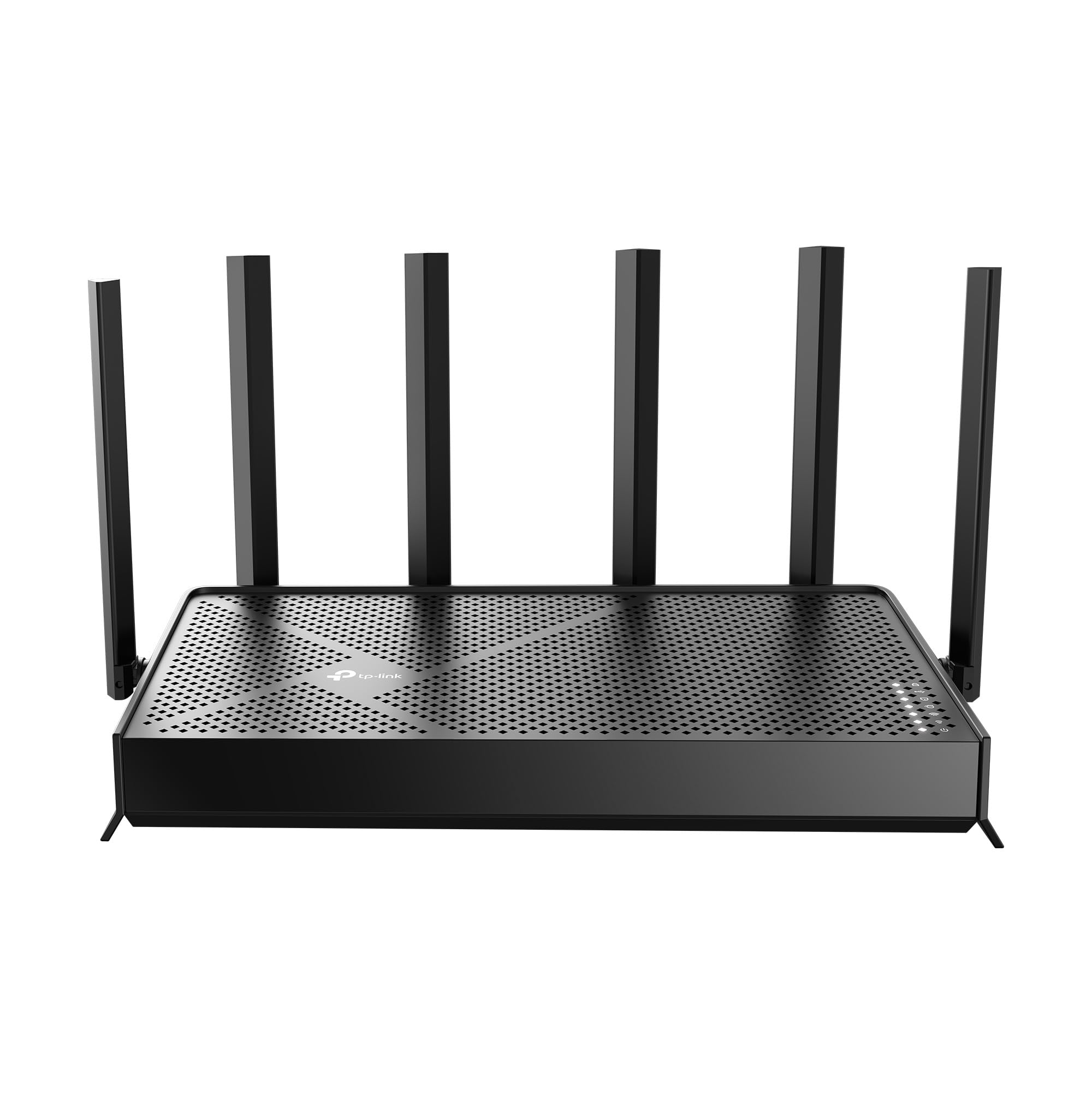
The Archer BE600 better fits buyers seeking tri-band Wi-Fi 7, a 10 Gbps connection, or the higher stated coverage and device capacity.
The Archer BE230 has a more modest port layout for households that do not need those higher-end capabilities.
- The Archer BE600 is a tri-band Wi-Fi 7 router with a 6 GHz band, a 10 Gbps port, a 2.5 Gbps WAN/LAN port, and three 2.5 Gbps LAN ports.
- Its stated coverage is up to 2,600 square feet and up to 120 devices.
- The Archer BE230 is dual-band, with coverage rated for up to 2,000 square feet and a port mix that includes two 2.5 Gbps ports.
Is Archer BE230 Worth It?
The TP-Link Archer BE230 is worth considering for households that want Wi-Fi 7 features, two 2.5 Gbps ports, and the option to expand coverage through EasyMesh.
Its useful wired layout and app-based management make it a capable choice for everyday home networking.
Buy it when dual-band Wi-Fi 7 matches your needs and you can make use of its faster ports.
If you require 6 GHz, need more extensive multi-gig connectivity, or have a challenging layout, compare other designs and plan for compatible expansion where appropriate.
Your review at a glance
1,000+ ratings
Read Amazon ReviewsTP-Link Archer BE230
A good fit for households seeking Wi-Fi 7, multi-gig wired connections, and mesh expansion in a router rated for up to 2,000 square feet.
- Dual-band Wi-Fi 7 with stated maximum speeds of up to 2,882 Mbps on 5 GHz and 688 Mbps on 2.4 GHz; 6 GHz is not supported.
- Wi-Fi 7 technologies include Multi-Link Operation, Multi-RUs, and 4K-QAM.
- One 2.5 Gbps WAN/LAN port, one 2.5 Gbps LAN port, and three 1 Gbps LAN ports.
- Coverage rated for up to 2,000 square feet and up to 60 devices, with four internal antennas and beamforming.